Our Commitment to Humane Turkey Care and Animal Well-Being

Animal care and well-being are central to how Butterball raises turkeys and produces trusted turkey products. Across our network, we maintain a stringent, zero-tolerance policy against animal mistreatment.

Our animal care program includes:

  • More than 600 independent contract turkey growers supported by Butterball animal care experts. 
  • American Humane Certified™ status since 2013, making Butterball the first commercial turkey company to receive this certification. 
  • An internal team of certified auditors by Professional Animal Audits Certification Organization (PAACO). They go through extensive trainings, are required to take a certification test, do shadow audits and obtain continuing education credits. They do formal audits throughout the year. 
  • Independent third-party animal welfare audits through the American Humane Certified™ Farm Program.
  • Compliance with approximately 200 science-based animal welfare standards covering Butterball growers, team members, transportation partners and processing facilities. 
  • An external advisory council of animal welfare and poultry experts who provide independent scientific perspectives to support continuous improvement.
  • Ongoing evaluation of our animal care policies, procedures, scientific research and emerging technologies. 

The American Humane Certified™ mark appears on Butterball packaging and indicates that all of Butterball’s farms and facilities have met species-specific welfare standards and passed independent third-party audits. Those standards address areas including living conditions, nutrition, health care and humane handling. 

Learn more about Butterball’s animal care, environmental and social responsibility programs in our Corporate Social Responsibility reports.

HOW AMERICAN HUMANE CERTIFICATION WORKS

Butterball has produced American Humane Certified™ turkey products since 2013. To maintain this certification, our animal care practices are evaluated against approximately 200 science-based standards.

These standards apply across our turkey supply chain, including:

  • Independent contract growers
  • Butterball operations teams
  • Turkey transportation partners
  • Processing facilities

Independent auditors evaluate compliance with American Humane Certified™ standards annually. Butterball also conducts internal animal care audits each quarter using the program’s standards.

The standards address important aspects of turkey care, including housing conditions, nutrition, health care and humane handling. They are periodically reviewed to reflect current animal welfare research, veterinary knowledge and farming practices.

Butterball has long demonstrated how a trusted brand can prioritize humane practices while bringing people together around the table. 

“Their commitment shows that doing what’s right for animals is also what’s right for families.” — Dr. Robin Ganzert, President and CEO of American Humane Society

Learn more about American Humane Certified™ farm standards.

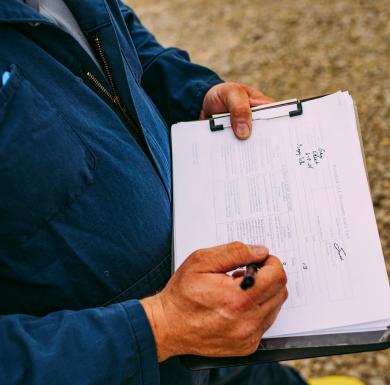
Farmer documenting animal care and well-being records on a clipboard.

Dr. Alice Johnson on Turkey Care and Animal Welfare

On the American Humane Society’s Robin’s Nest podcast, Butterball Senior Vice President of Food Safety, Quality, & Animal Care Dr. Alice Johnson joined host AHS President and CEO Dr. Robin Ganzert to explain how Butterball puts its animal care standards into practice.

In the conversation, Dr. Johnson discusses:

  • The Five Freedoms of Animal Welfare, which address animals’ physical health, comfort, behavior and mental well-being.
  • Animal care training and accountability across Butterball’s contract farms, hatcheries, facilities, employees and contractors.
  • Butterball’s zero-tolerance policy for animal mistreatment, including every team member’s responsibility to report concerns.
  • Confidential reporting options, including a dedicated turkey-care hotline for individuals who are uncomfortable reporting concerns to a supervisor.
  • Independent auditing, research and technology used to evaluate and continually improve turkey care.

Watch the conversation to learn more about the people, standards and oversight involved in raising Butterball turkeys.

Person with grey hair, wearing glasses and a blue cardigan, seated at a desk.

BUTTERBALL’S ANIMAL CARE AND WELL-BEING ADVISORY COUNCIL

Butterball’s advisory council brings together specialists in animal welfare, poultry science, animal behavior and avian physiology. Council members provide external scientific perspectives that help Butterball evaluate animal care policies, research and opportunities for continuous improvement.


Dr. Shawna Weimer, University of Arkansas, Department of Poultry Science Director, Assistant Professor, poultry welfare

Dr. Allison Pullin, North Carolina State University, Assistant Professor, Animal Welfare, poultry management practices  

Dr. Rocio Crespo, North Carolina State University College of Veterinary Medicine, Professor, global health, infectious diseases, biosecurity 

Dr. Katy Tarrant, Fresno State University, Associate Professor, Animal Science and Agricultural Education, poultry production, animal genetics, and welfare and handling 

Dr. Karen Schwean-Lardner, University of Saskatchewan, Professor, Animal and Poultry Science, poultry welfare, management, and production

Animal Care and Well-Being FAQs

Are Butterball turkeys humanely raised?

Yes. Butterball’s animal care program is designed to support the health, safety and well-being of its turkeys while in our care. The program includes American Humane Certified™ standards, annual third-party audits, quarterly internal audits, animal-care training and a zero-tolerance policy against animal mistreatment.

Butterball’s contract growers, team members, transportation partners and processing facilities are expected to follow the company’s animal care requirements.

What animal welfare certification does Butterball have?

Butterball has produced American Humane Certified™ turkey products since 2013.

To maintain this certification, Butterball’s animal care practices are evaluated against approximately 200 science-based standards addressing areas such as housing, nutrition, health care, handling and animal well-being.

How are Butterball farms and facilities audited?

Independent third-party auditors evaluate Butterball’s compliance with American Humane Certified™ standards annually.

Butterball also conducts internal animal care audits each quarter using the program’s standards. These requirements apply across Butterball’s turkey supply chain, including contract growers, operations teams, transportation partners and processing facilities.

How many growers raise turkeys for Butterball?

Butterball works with more than 600 independent contract turkey growers in North Carolina, Missouri, Arkansas, Kansas and Oklahoma.

These growers are supported by Butterball animal care, veterinary and live-operations specialists who provide resources, training and guidance related to turkey health, farm management and animal well-being.

How does Butterball incorporate animal care into grower oversight?

Butterball evaluates contract growers using measures that include animal care standards and operational performance.

We also recognize high-performing growers through annual awards. Animal care expectations are reinforced through training, audits, farm support and ongoing communication with the teams who manage our flocks.

What are the Five Freedoms of Animal Welfare?

The Five Freedoms are widely recognized principles addressing animals’ physical and mental well-being:

  • Freedom from hunger and thirst
  • Freedom from discomfort
  • Freedom from pain, injury and disease
  • Freedom to express normal behavior
  • Freedom from fear and distress

These principles help inform animal-welfare standards and practices across the food-animal industry.

How does Butterball train team members, growers and contractors on animal care?

Butterball provides animal care training across its operations, including contract farms, hatcheries, facilities, team members and contractors.

Training covers animal care expectations, humane handling, Butterball’s zero-tolerance policy and each person’s responsibility to report suspected mistreatment.

How can a Butterball team members or contractors report an animal welfare concern?

Butterball team members and contractors are expected to report any suspected animal mistreatment.

Concerns may be reported to company leadership through Butterball’s ethics-reporting channels or through a dedicated animal care and well-being hotline. Reporting information is also displayed at farms and company facilities. All claims are investigated under Butterball’s zero-tolerance policy on animal mistreatment.

How does Butterball protect turkeys from disease?

Butterball supports its growers with biosecurity protocols, infrastructure and training intended to reduce the risk and spread of poultry diseases.

In response to poultry-health threats such as highly pathogenic avian influenza and avian metapneumovirus, Butterball has made additional investments in biosecurity infrastructure and grower training.

The company has also provided millions of dollars in supplemental assistance to growers affected by disease events that were not fully covered by federal indemnity programs.

How does Butterball protect animal welfare during transportation?

Butterball’s transportation partners are included within the company’s animal care requirements and American Humane Certified™ audit program.

Personnel responsible for transporting or handling turkeys are expected to follow established animal care procedures, complete required training and report suspected mistreatment. Butterball monitors the transportation and handling process and receives alerts on any possible practices that go against company policy. Every alert is reviewed by a member of the Animal Care and Well-being team the next day and appropriate actions and retraining are completed before the crew goes out to load again the next night.

Does Butterball use antibiotics?

Butterball uses antibiotics only when medically necessary to protect the health and well-being of a turkey or flock. Antibiotic treatment is administered under the guidance of a licensed veterinarian.

Butterball eliminated the use of antibiotics labeled as growth promotants in 2015 and states that it is committed to the responsible use of antibiotics.

For consumers seeking turkey raised without antibiotics, Farm to Family® by Butterball® products are raised with no antibiotics ever. When a turkey in that program requires antibiotics for its health, it is treated and removed from the no-antibiotics-ever program.

Are Butterball turkeys raised with hormones or steroids?

No. Butterball turkeys are not raised with added hormones or steroids.

Federal regulations prohibit the use of hormones and steroids in poultry production, so this requirement applies to turkey producers throughout the United States.

How does Butterball connect animal care with sustainable farming?

Butterball pursues programs intended to support both responsible farm management and more efficient use of resources. 

For example, one North Carolina program heat-treats wood shavings previously used in turkey brood houses so they can be safely reused as bedding at finishing farms. This has resulted in a significant reduction in the number of loads of new bedding material required because of these recycling efforts.

What changes has Butterball made to strengthen animal welfare oversight?

Butterball’s current animal care program includes American Humane Certified™ certification, annual independent audits, quarterly internal audits, companywide animal-care training, a zero-tolerance mistreatment policy and confidential reporting options.

The company also works with an Animal Care and Well-Being Advisory Council composed of specialists in poultry science, animal behavior, veterinary care and humane handling.

Who advises Butterball on animal care and well-being?

Butterball’s Animal Care and Well-Being Advisory Council includes specialists in animal welfare, poultry science, animal behavior, humane handling and avian physiology.

Council members provide external scientific perspectives that can help Butterball evaluate animal care policies, emerging research and opportunities for continuous improvement.